Why Pressure, Chemistry & Surface Type All Matter
Greater Atlanta Homes · Exterior Cleaning Best Practices
A black-streaked roof, green sidewalk, or driveway with years of tire marks can make an otherwise well-kept Atlanta home look neglected. The answer is not simply more pressure. Effective pressure washing depends on matching the right PSI, nozzle angle, cleaning solution, dwell time, and rinse method to the material in front of you.
That distinction protects the surfaces homeowners have already invested in. Concrete can tolerate a very different process than cedar, vinyl, composite decking, or asphalt shingles. Treat every exterior surface with the same machine setting and chemical mix, and damage becomes a real possibility: etched concrete, stripped wood fibers, oxidized siding, dead landscaping, or shortened roof life.
Pressure Washing Is a Surface-Specific Process
Pressure is only one part of exterior cleaning. PSI measures the force of the water, while GPM determines how efficiently contaminants are carried away. Nozzle angle also changes the result. A narrow 15-degree nozzle concentrates impact in a tight path, while a 25- or 40-degree nozzle distributes water across a wider, safer fan.
Then there is chemistry. Organic growth such as algae, mildew, mold, and the black roof-staining bacteria known as Gloeocapsa magma needs to be treated, not merely blasted away. A properly diluted sodium hypochlorite solution, supported by surfactants, can break down biological contamination at low pressure. The solution needs enough dwell time to work, followed by a controlled rinse.
This is why a clean-looking surface is not always a properly cleaned surface. High pressure may remove the visible top layer of grime while leaving spores, staining, or embedded contamination behind. The growth can return quickly, and the force used may have created permanent damage.
How the Right Method Changes by Surface
Concrete Driveways, Sidewalks & Patios
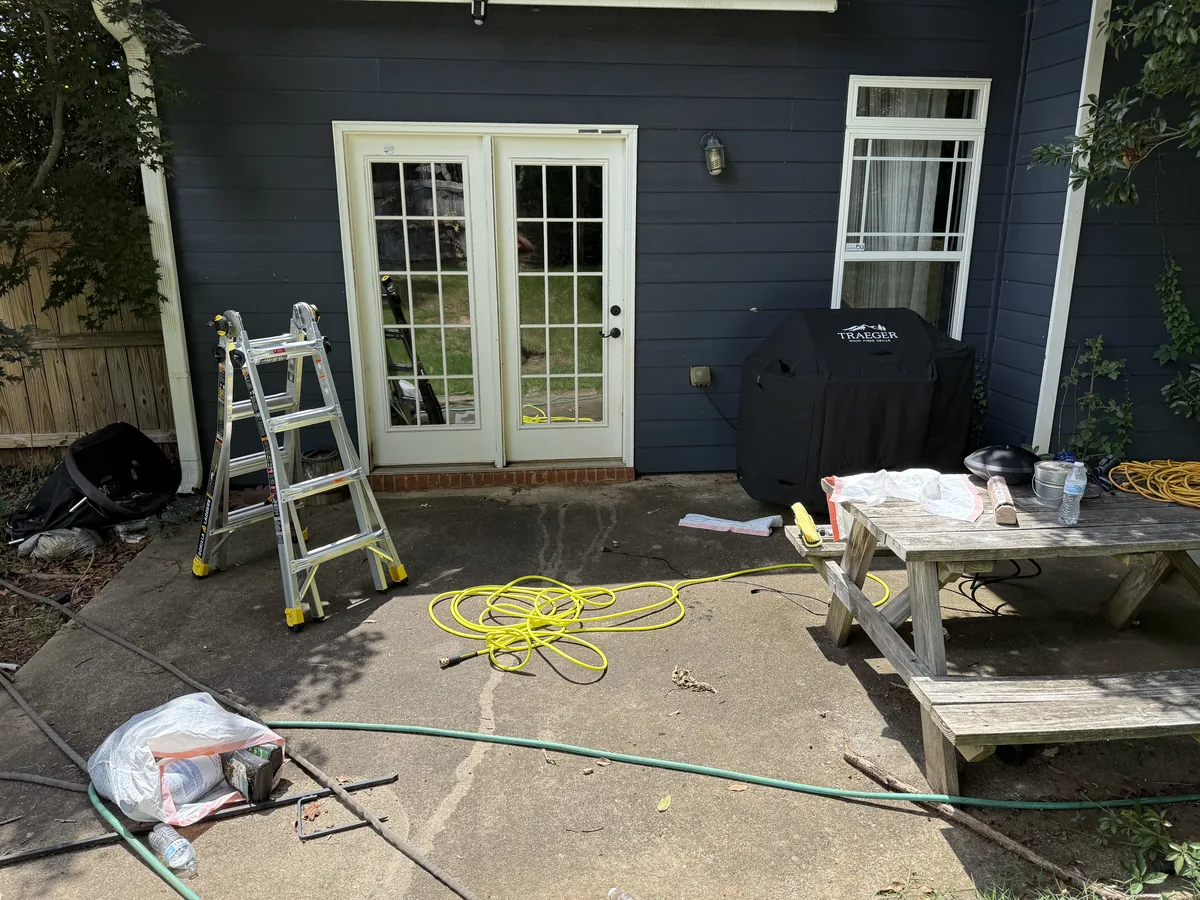
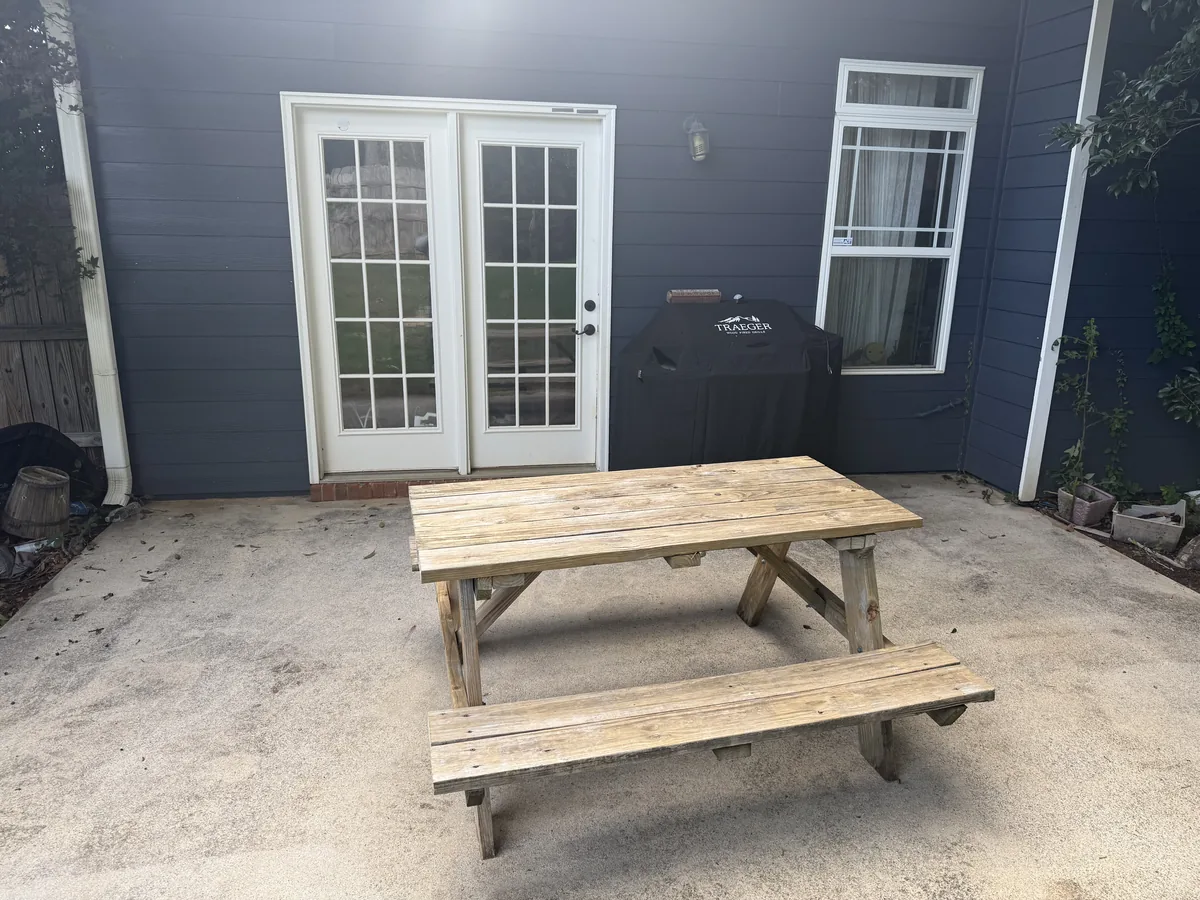
Concrete is durable, but it is not indestructible. Driveways and sidewalks collect red clay, algae, vehicle drips, leaf tannins, fertilizer marks, and embedded dirt. Sound concrete may tolerate roughly 2,500 to 3,500 PSI with the proper equipment and technique. Older, cracked, or poorly finished concrete calls for more caution — excessive pressure can expose aggregate, create striping, or worsen existing deterioration.
Oil stains need a different approach. Degreasers and extended dwell time are often necessary before washing. Oil that has penetrated deeply into porous concrete may improve substantially without disappearing completely — a responsible contractor sets that expectation before work begins.
Wood Decks & Fences
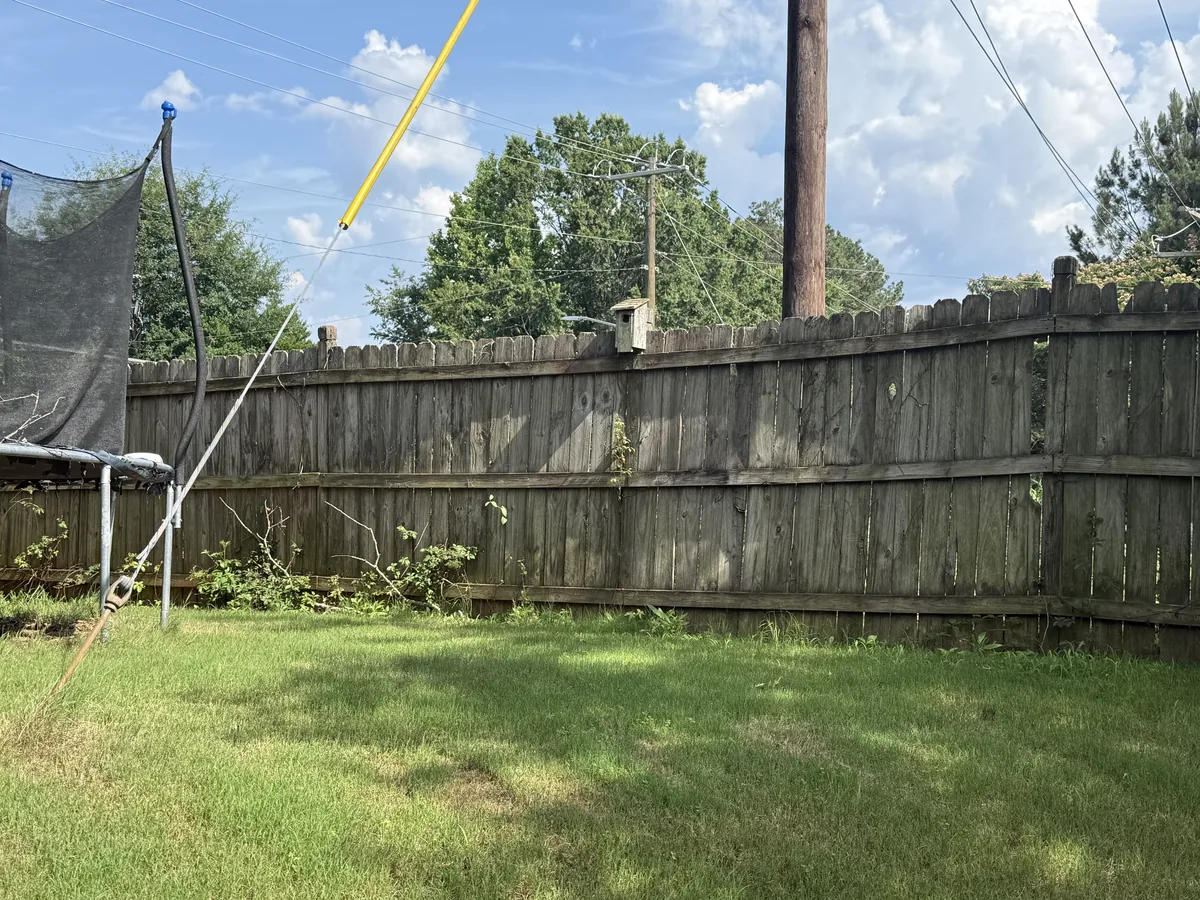
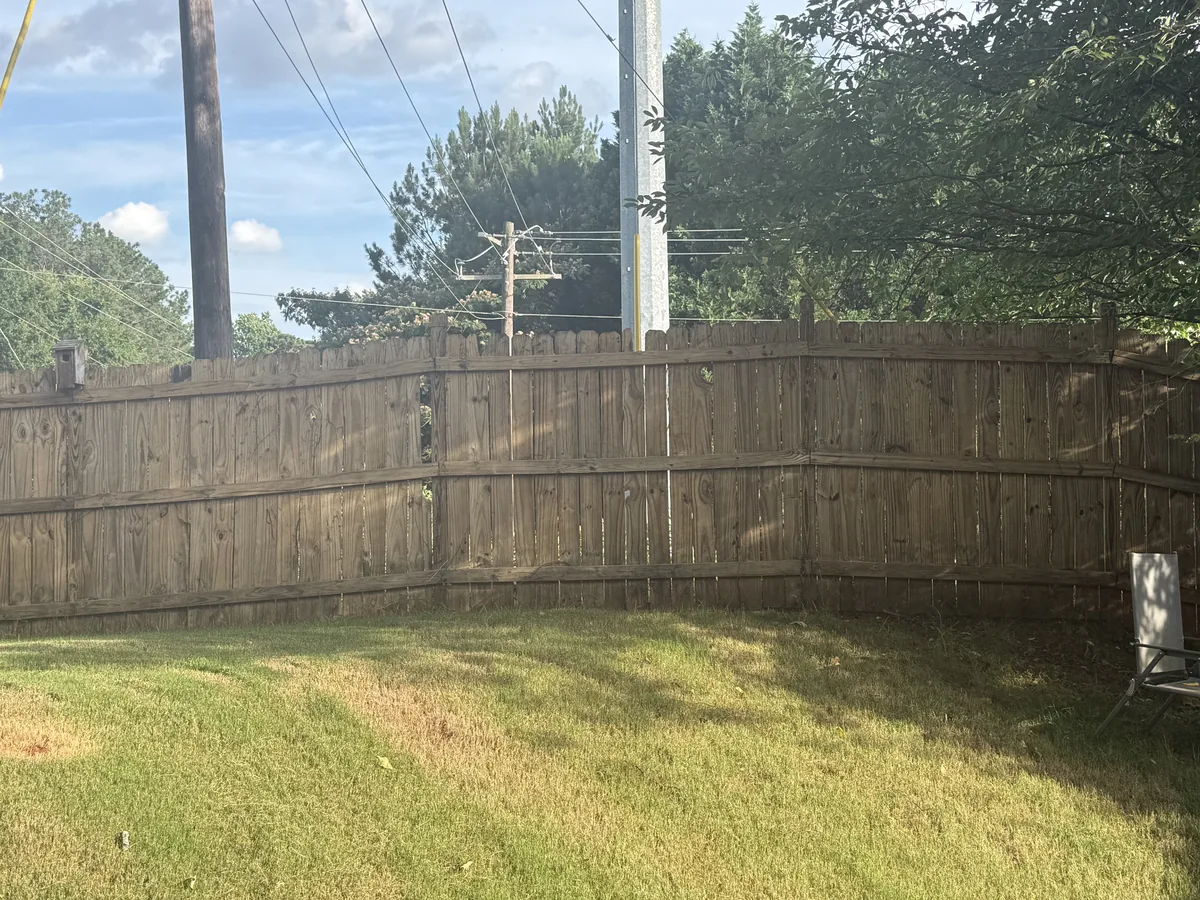
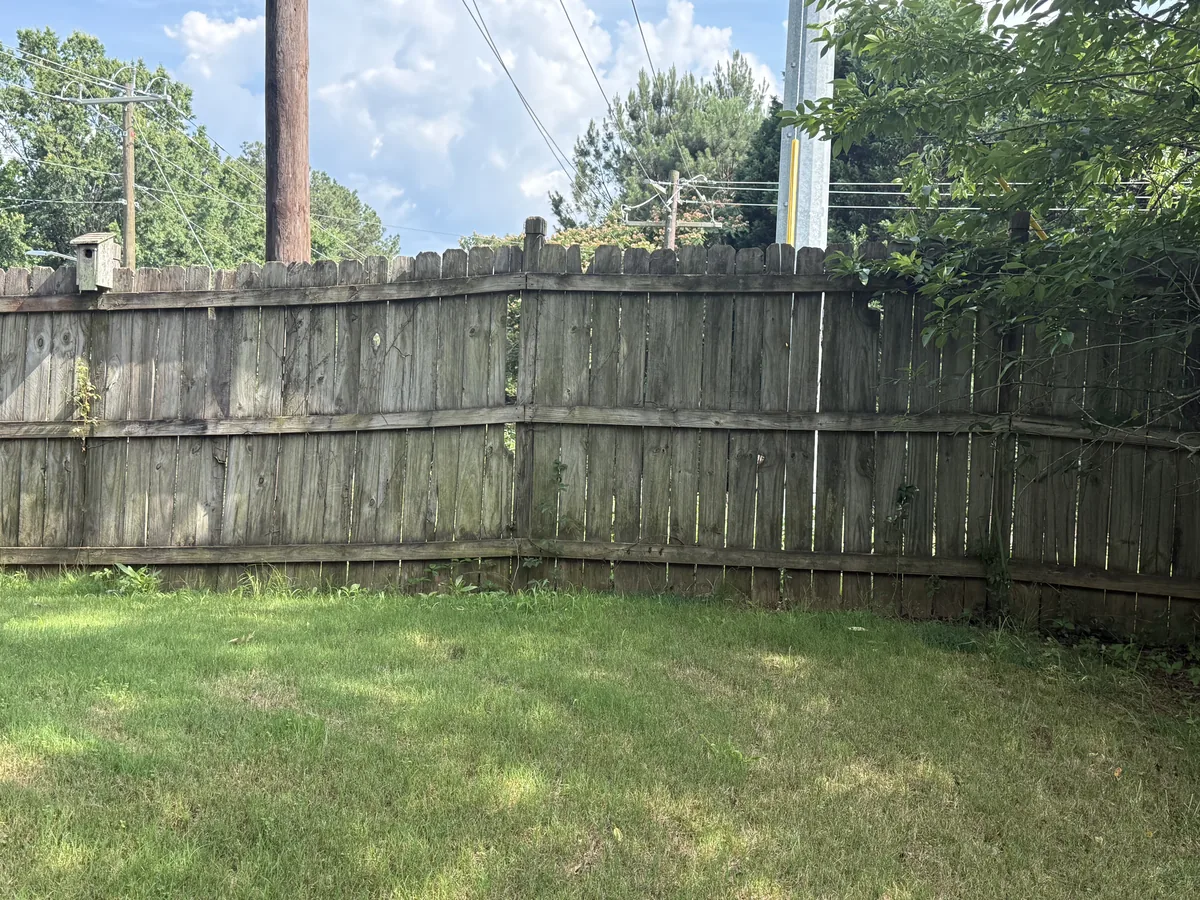
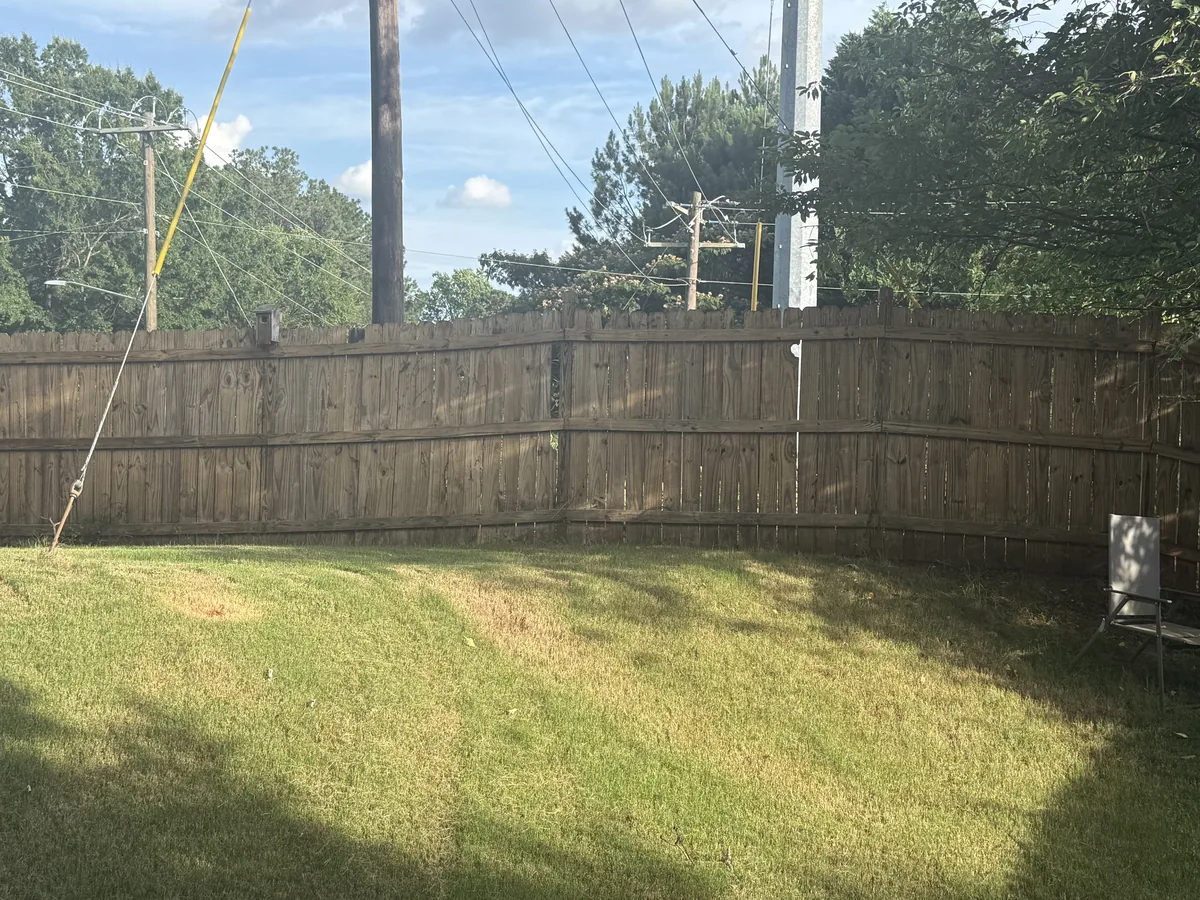
Wood is one of the easiest surfaces to damage with a pressure washer. Cedar, pine, and older pressure-treated lumber are especially sensitive. Cleaning a wood deck is usually a low-pressure process — pressure is kept in the approximate 500 to 1,200 PSI range, depending on species, age, and condition. The goal is to lift mildew, gray weathering, and surface grime without eroding the fibers.
When wood has dark tannin staining or iron-related discoloration, an oxalic acid brightener may be appropriate after cleaning. Used correctly, it can neutralize cleaning residue and restore an even wood tone before staining or sealing.
Vinyl & Cedar Siding
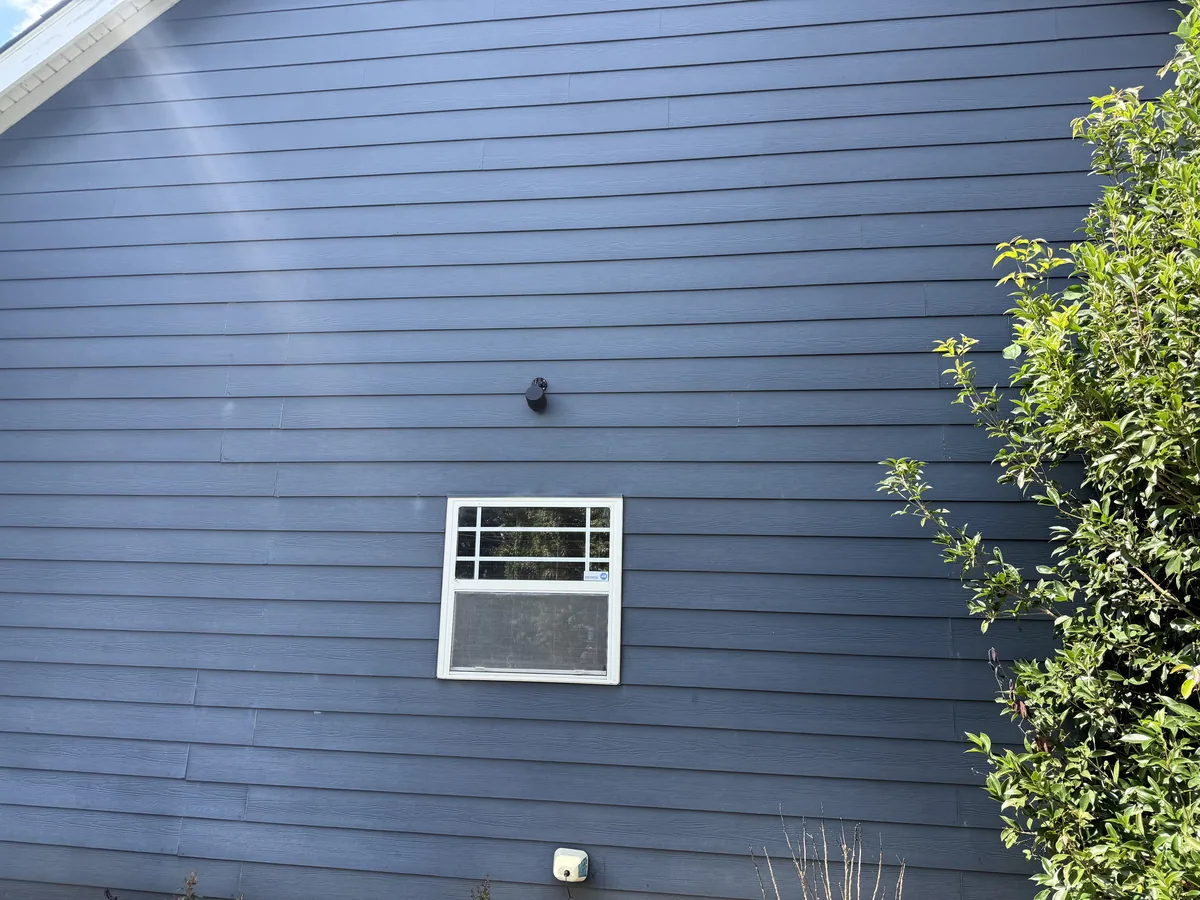
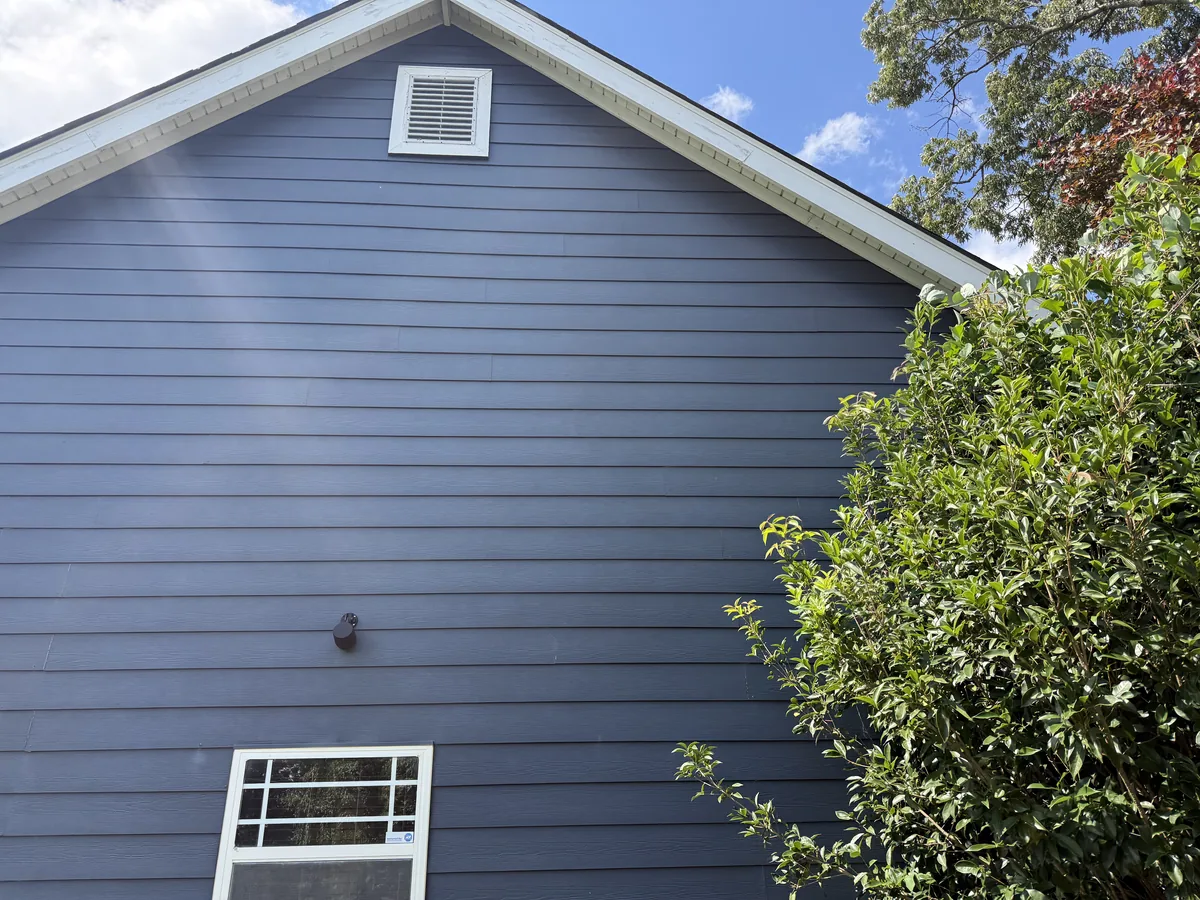
Siding typically needs soft washing, not high-pressure washing. Vinyl may look tough, but water directed upward beneath laps can reach the wall system. A soft-wash approach uses low pressure to apply a surface-appropriate cleaning solution — sodium hypochlorite dilution is adjusted to the severity of the biological growth, then surfactants help the solution cling long enough to work. The siding is rinsed carefully from top to bottom while windows, electrical fixtures, and landscaping are protected.
Asphalt-Shingle Roofs
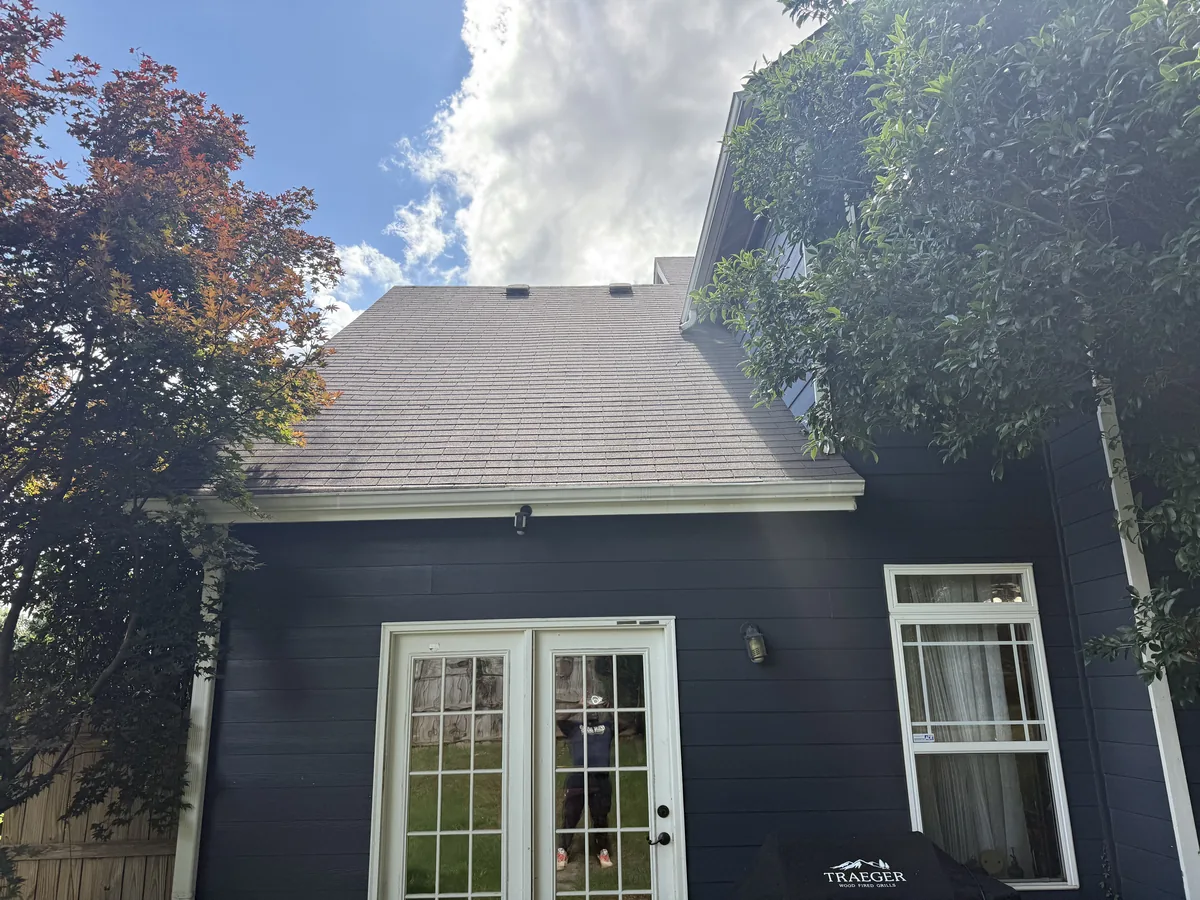
Black roof streaks are commonly caused by Gloeocapsa magma, not dirt that needs to be pressure blasted away. Pressure washing an asphalt-shingle roof can dislodge protective granules, compromise shingle edges, and reduce the roof's service life. Roof cleaning should be performed as a low-pressure chemical treatment — the cleaning mix kills the biological growth, and some staining may continue to brighten over time as normal rainfall carries away dead growth.
The Five Controls That Prevent Damage
A disciplined exterior-cleaning process begins with a walkaround to identify surface condition, staining type, loose material, delicate landscaping, electrical hazards, and areas that may need special treatment. The work itself is controlled by five decisions: pressure level, nozzle angle, chemical dilution, dwell time, and rinsing method. Each affects the next. A stronger mix may allow lower pressure. A longer dwell time can reduce the need for repeated passes.
Weather also matters in Greater Atlanta. High heat can cause cleaning solutions to dry too quickly. Wind can carry mist toward windows, plants, or neighboring property. Heavy rain may interfere with dwell time. Professional scheduling and onsite adjustments are part of protecting the home.
What a Professional Visit Should Look Like
A quality service visit is transparent from the start. Before cleaning begins, the crew should confirm the scope, document existing conditions when needed, and explain any limitations — rust, deep oil penetration, permanent oxidation, failing paint, and aged wood may not respond like ordinary grime.
During service, landscaping is pre-wet, solutions are mixed for the surface being treated, and runoff is managed. Technicians should keep water out of vents and electrical components, use safe ladder and roof practices, and avoid directing pressure at caulk lines, window seals, or siding laps.
JR Pressure Pros approaches exterior maintenance with this surface-specific standard: no shortcuts, no one-setting-fits-all cleaning, and no guessing about what your home can handle. A clean exterior should improve curb appeal without creating a repair project.
When comparing pressure washing options, ask what pressure, chemistry, and plant-protection process will be used on your specific surfaces. The answer tells you far more than the machine's maximum PSI ever will.